5 Suggestions to Strengthen Your Child's Friendship, Communication and Social Skills
Children's social development is not limited to making friends. Being able to express your emotions, listening to the other person, sharing, waiting your turn, acting together and expressing yourself correctly in different situations are also important parts of social development. These skills develop over time and through the daily experiences children have.
Not every child approaches social environments the same way. While some children communicate with new people in a short time, some children may prefer to observe their surroundings and feel safe first. Therefore, while supporting children's social development, it is important to give them the opportunity to gain experience at their own pace, rather than forcing them into a certain mold or comparing them with others.
Here are 5 effective ways you can support your child's social development within the natural flow of daily life:
1. Give Him the Opportunity to Spend Time with His Friends
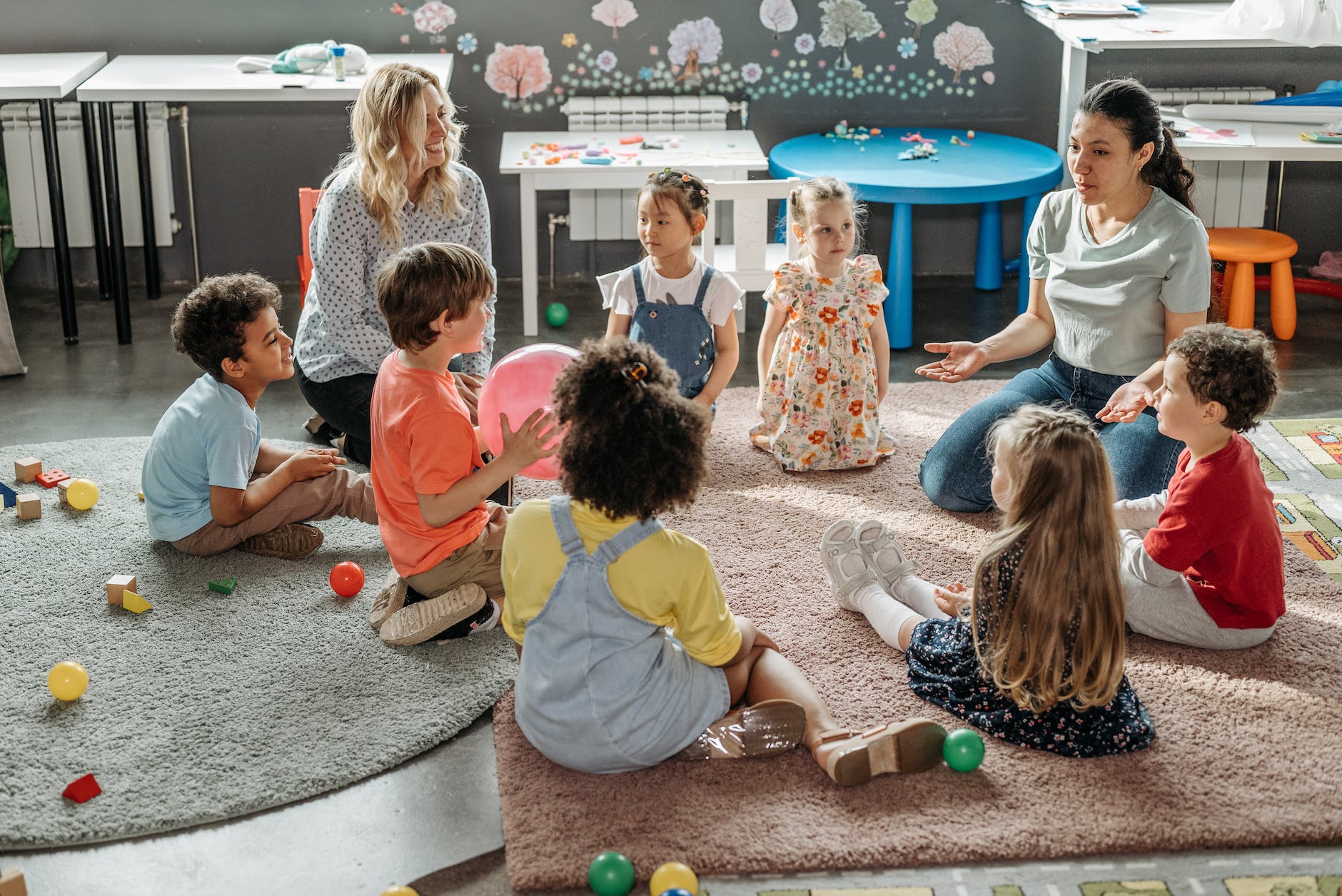
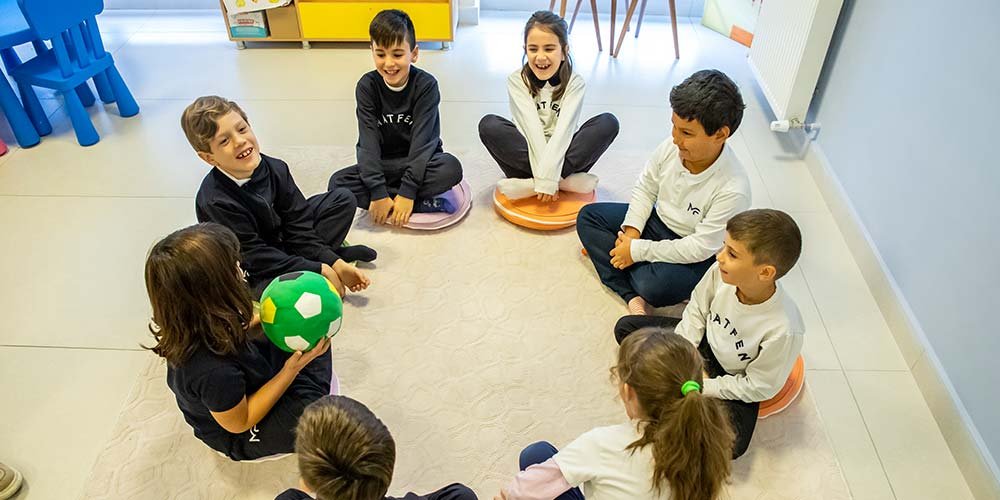
Children learn most of their social skills while being with other children. Playing together, sharing toys, taking turns and trying to resolve small disagreements from time to time are important experiences for children.
Not every game needs to go smoothly. Children may sometimes want the same toy, put forward different ideas, or disagree. These situations, when directed correctly, can be valuable opportunities for them to learn to communicate, listen and seek solutions.
2. Give Him Space to Express His Feelings
An important part of social relationships is being able to recognize what one is feeling and express it appropriately. When your child is happy, sad, angry or disappointed, you can give him the opportunity to talk about these feelings.
“Why are you upset about this?”, “How are you feeling right now?” or “How else do you think we could solve this?” Simple questions such as can help the child understand his or her own feelings. The child's feeling that he can express himself helps him understand the emotions of others over time.
3. Encourage Sharing and Collaboration in Daily Life
Sharing and acting together isn't just about toys. Doing a small job at home together, sharing tasks during a game, or preparing something together can also give children a cooperative experience.
Instead of forcing the child to share in every situation, it may be more meaningful to see by experience why it is important to share and act together. Small tasks done together help children take responsibility and act with others for a common goal.
4. Let Him Have His Own Experiences in New Environments
Exposing children to different people and different environments can provide important experiences for their social development. Playing in the park, participating in an activity with peers, being in a school environment or spending time with a new group; It helps children recognize different social situations.
However, each child's time to get used to a new environment is different. If your child does not want to communicate immediately, it may be better to give him time when he can feel safe, rather than forcing him. Sometimes watching for a while is a natural part of the child's way of adapting to the environment.
5. Be an example to him/her with your behavior
Children carefully observe the adults around them. How we talk to a person, how we say thank you, how we act in the face of a problem, and how we listen to others are powerful examples for children.
Establishing a respectful communication with your child, listening to the other party when their opinions differ, and using small expressions of politeness in daily life can contribute to the natural learning of social skills.
Children's social development is not a process that is completed suddenly. Every new friendship, every game, every little disagreement and every shared experience adds something new to the children's social world. The important thing in this process is to provide safe environments where the child can express himself comfortably and have different experiences.
At Şen Kindergarten serving in Antalya Muratpaşa Güzeloba, we see the social development of our children as an important part of pre-school education. We support our children to make friends, improve their communication skills and gain social experiences through daily games, group activities and time spent together.
Remember; Social skills are learned by children, not just by telling them, but by experiencing them. You can accompany this journey in the best way by providing your child with opportunities to communicate, share, play together and express himself. 🌈